People. Process. Product.
Design for the agentic era.
The end of edit pages.
Edit pages once translated our intent into fields. With AI and dictation, conversation may become the default interface for changing data.
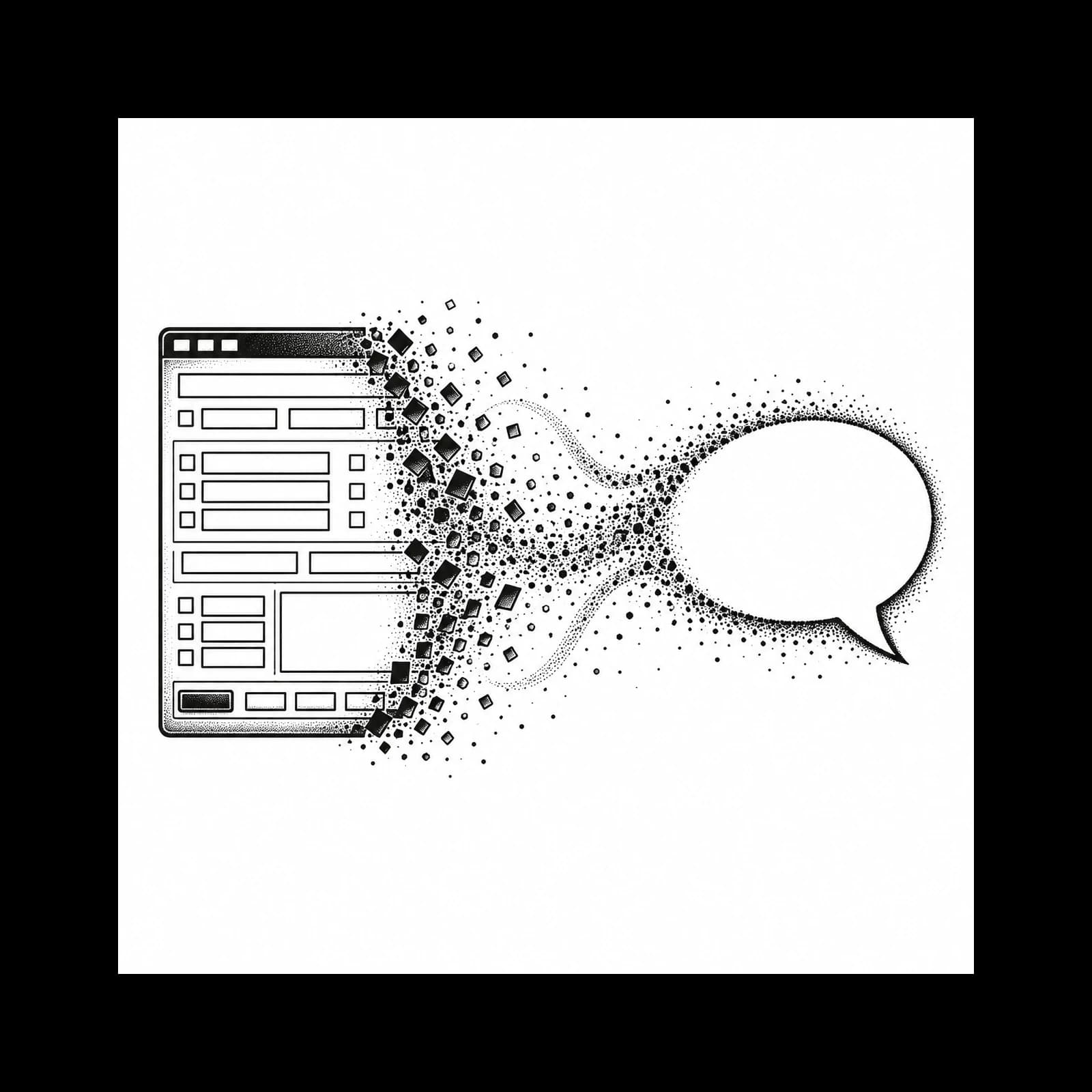
I’m a big fan of Ruby on Rails and the simplicity of CRUD: create, read, update, delete. That usually means an index page, a show page, and an edit page. And the edit page is mostly just a form.
But lately I’m not using edit pages…at all…
Instead, I’ve been dictating changes through an agent in Slack, ChatGPT, or Claude. I can say, “Update the description to XYZ. Change state to A.”
And it’s way faster than finding the page, clicking edit, and changing each field one at a time. Now we can just explain our intent via dictation.
I don’t think edit pages disappear completely. Sometimes you need precision and control. But I wonder if they become the exception instead of the default.
Systematic Intuition
In AI, capability is no longer the bottleneck. The new skill is knowing which parts of the system require understanding—and which no longer require your gaze.
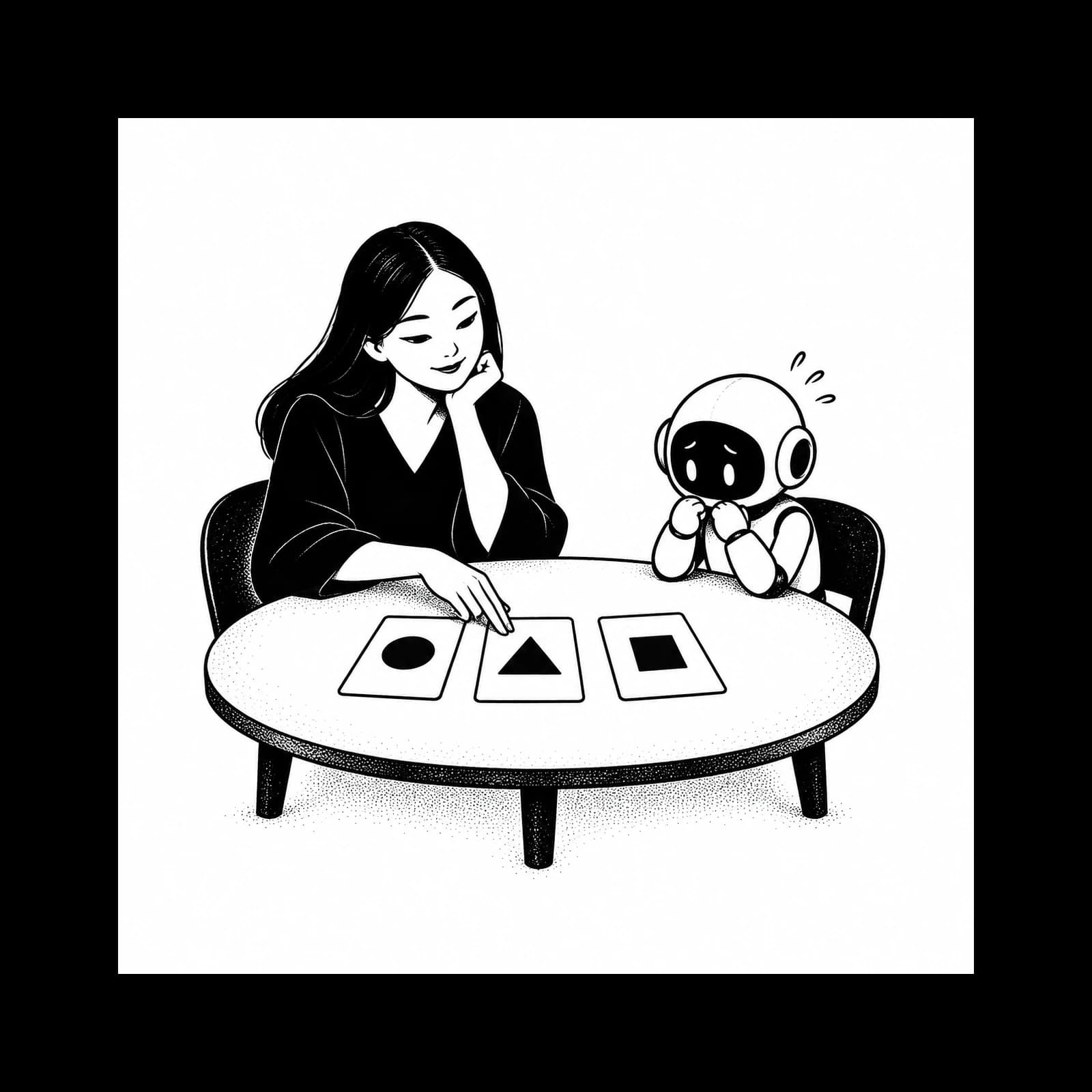
We used to talk about “Google Juice”: the accumulated instinct for finding things on Google. We need a new version of that idea for working with AI.
I’ve been calling it systematic intuition.
My friend Alice Hu works with astrology and spiritual guidance. She talks about intuition as a way of understanding. Not perfect knowledge, but a practiced sense.
Something similar is emerging in software.
The biggest limitation in AI is not capability. It’s our ability to understand.
In conventional software development, expertise meant understanding exactly how the system worked. AI-enabled systems are often impossible to understand entirely. More importantly, trying to do so can be a poor use of your attention.
You read that correctly… understanding the entire system may be a poor use of your time.
You need to understand the shape of things and which things require detail. That changes with the problem and solution space.
Enter systematic intuition.
An AI system is more like an organism. You cannot control every internal movement directly. You influence its behavior. Rarely can you write a hard rule that produces exactly the same behavior every time.
Systematic intuition is the practiced judgment of knowing which parts influence the system and which parts no longer require your gaze.
The caricature of creativity.
The artist caricature lets us off the hook. Creativity reminds us that the rules we're following are optional.
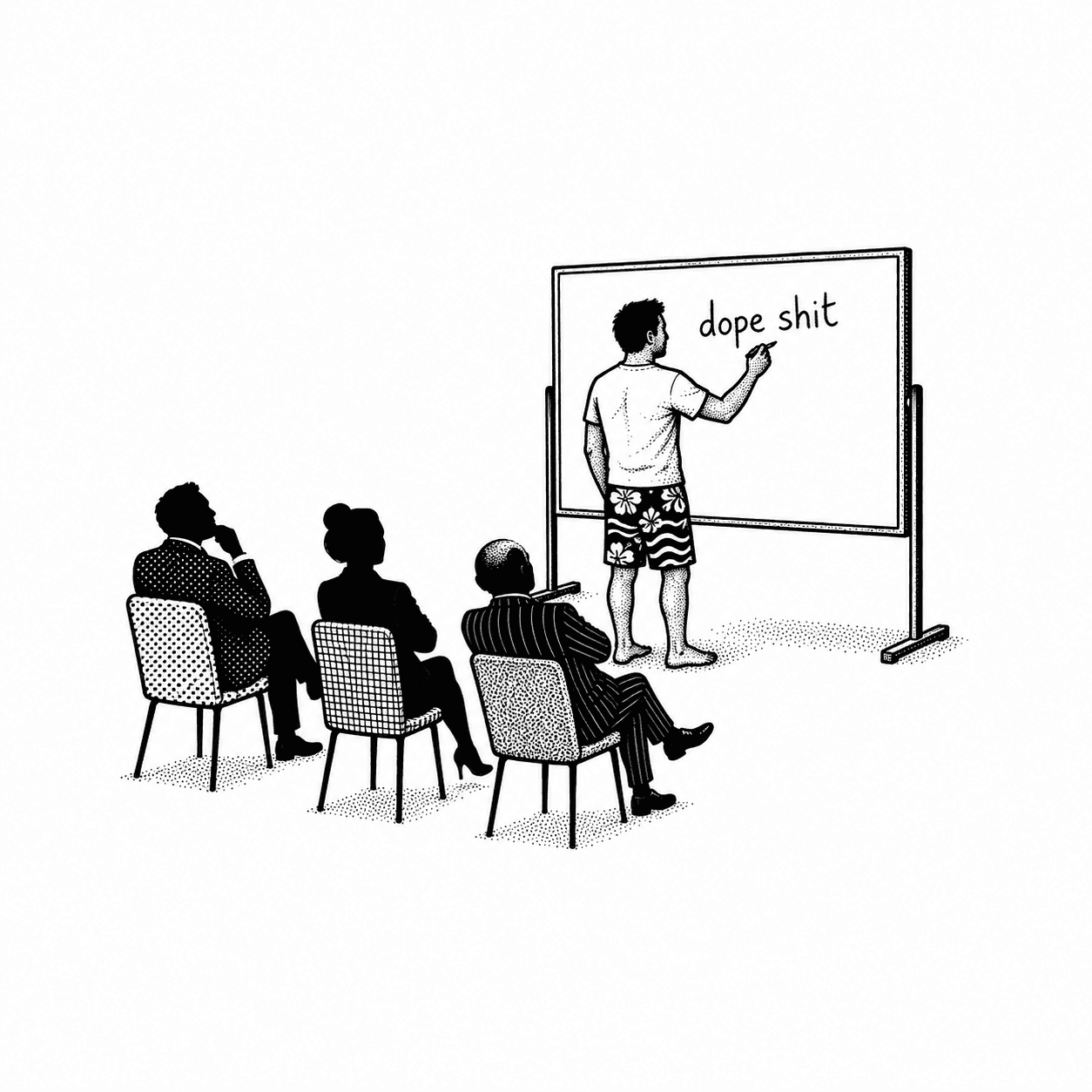
You've seen him a thousand times. Bare feet. Hoodie. Surfboard. Golden retriever….list goes on…
The caricature of creativity movies have been selling for years. Creativity is what people in funny clothes do instead of working. It's not an accident. It's a defense mechanism!
Creativity is unbelievably threatening. It's quiet proof that the rules most people are following are optional. You spend six months agonizing over a project. Someone walks into a workshop, sketches a thing, ships it that weekend.
If they're allowed to do that, why aren't you?
That question is too painful to sit with. So culture builds a release valve: the artist caricature. If creativity is just a guy getting high and hand-waving, then the fact that you don't make anything isn't a choice you made. It's maturity. It's responsibility. It's not your fault. The caricature lets you off the hook.
The truth is the opposite.
The technology is ready. The organization isn’t.
Technology is not the limiting factor anymore. The organization’s ability to learn is.
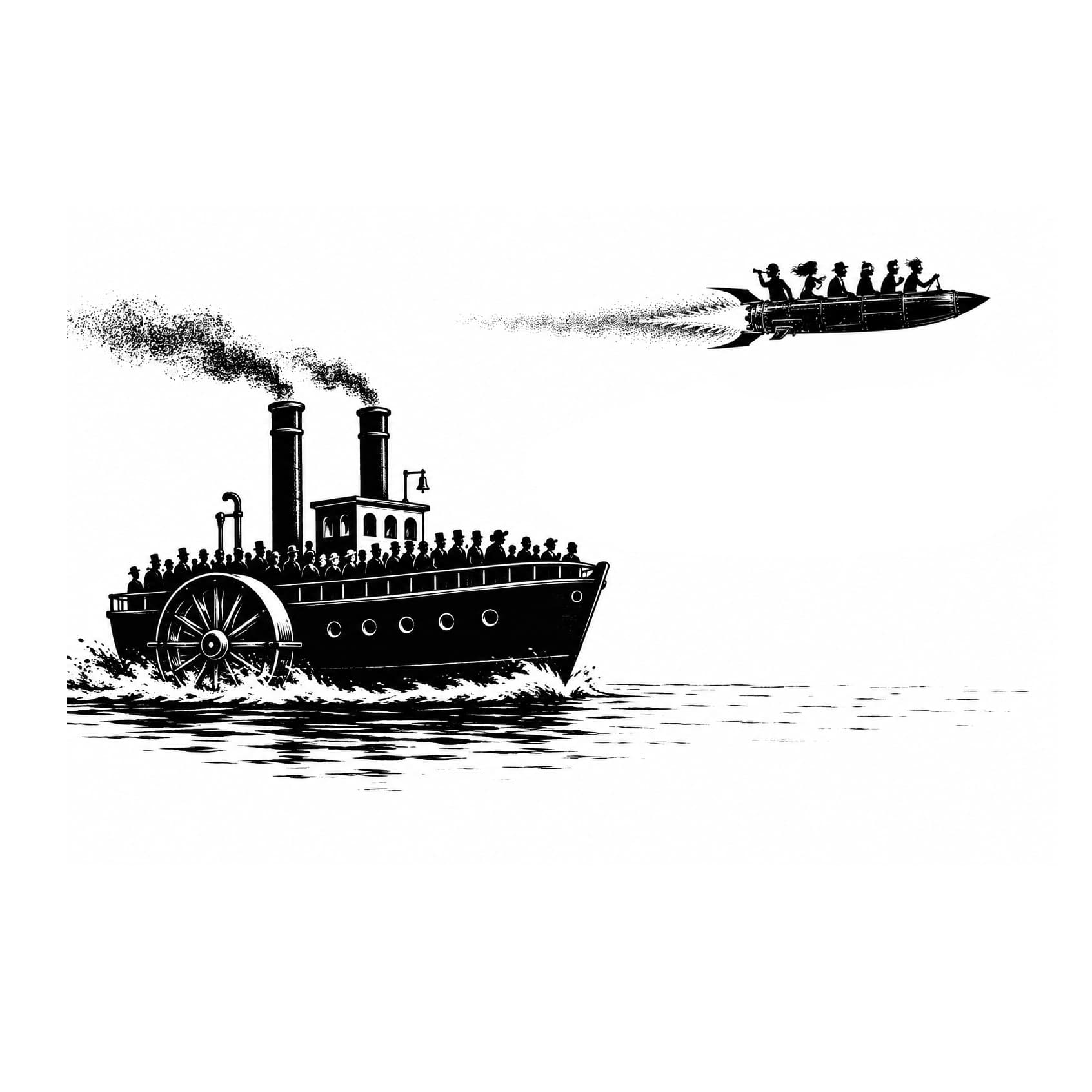
Technology is not the limiting factor anymore. The organization’s ability to learn is.
That’s what makes all these new AI labs inside companies interesting. They’re a hedge: put a small group of highly adaptable people in a room and see if they can replace the output of an entire department.
If it doesn’t work, it was an experiment.
If it does, everyone else gets fired and leadership looks brilliant.
This creates a huge opportunity for small companies. Eight smart 23-year-olds might actually build a better version of SAP.
But they can’t make a Fortune 100 company buy it.
That customer still has old systems, old incentives, old mental models, and people who have spent 30 years learning how the current thing works.
The startup may reinvent enterprise software in six months but the enterprise takes six eight ten years to trust it, approve it, integrate it, onboard, train, and actually use it.
That’s the gap.
The bottleneck isn’t invention. It’s organizational learning.