MAD 2.0: Mutually Assured Disruption
When anything can be faked, trust becomes the most valuable infrastructure we have.
Published Jul 19, 2026
Author Steve Berry
There’s an essay called “The Bitter Lesson.” The gist is that human cleverness loses to raw computation. Every time. So, let’s take compute seriously.
The person with the most compute wins. The company with the most compute wins. The government with the most compute wins…You’ve seen this movie…
We learned to turn rocks into gas, spin them through tens of thousands of centrifuges, refine them into spicy metal, bolt it to a missile, and bury it underground on 24/7 standby. Then we put the same bombs on planes that never land and submarines in every ocean.
If compute equals victory, everyone is already building an AI Manhattan Project. Look around — it’s already here. So everyone races to hoard compute, and everything orbiting that economy becomes irrationally(?) valuable.
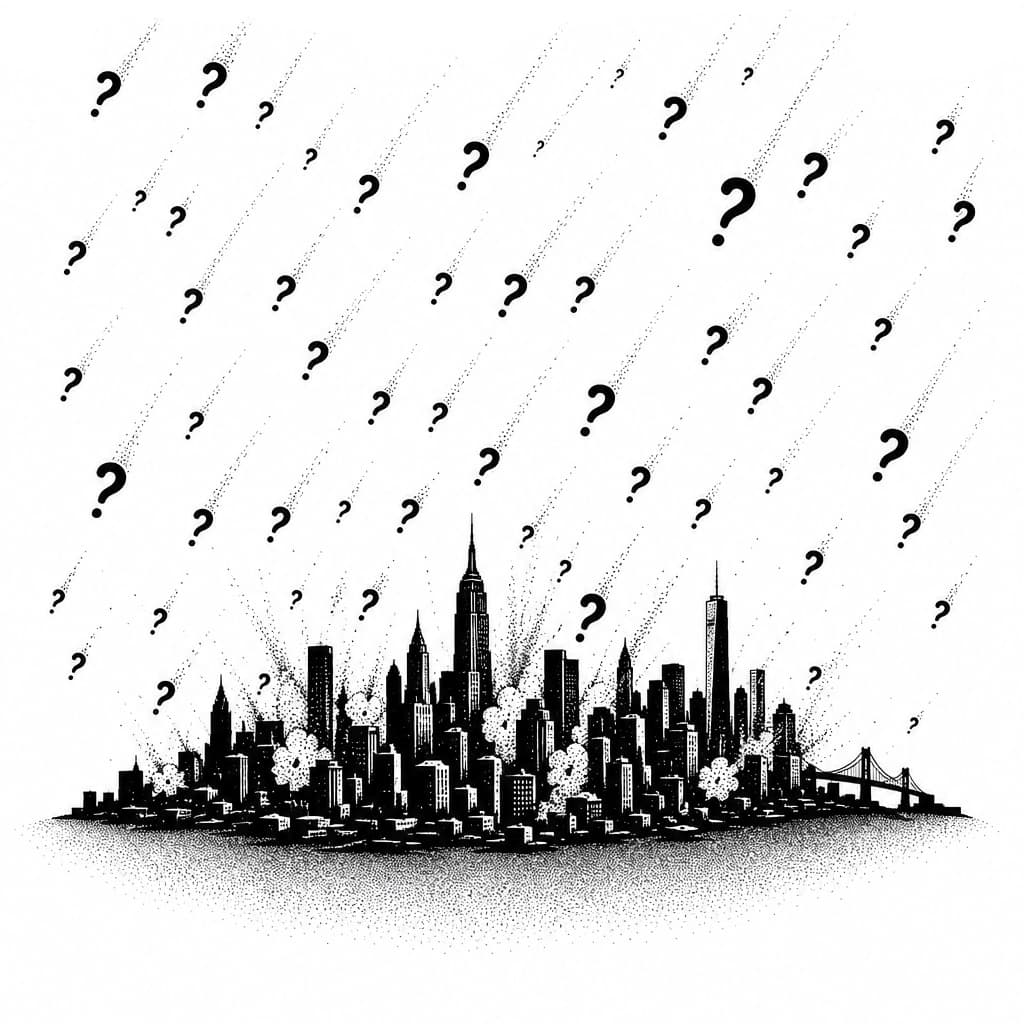
The moment anyone can fake anything, nobody can believe anything. Do you believe what you read these days? The next five years are going to be turbulent, unfair, and loud. Oh wait... That’s now.
…Here is where the story turns…
When everything can be faked, you do what humans did before institutions: you ask someone you trust. Ryan Findley calls it “SSL for people”: chains of human beings who can vouch for one another. Not because a blue check or a giant platform says so, but because they share history. Repeated interaction. Reputation. Mutual risk. A relationship can be impersonated. But the history behind that relationship is much harder to fake (for now).